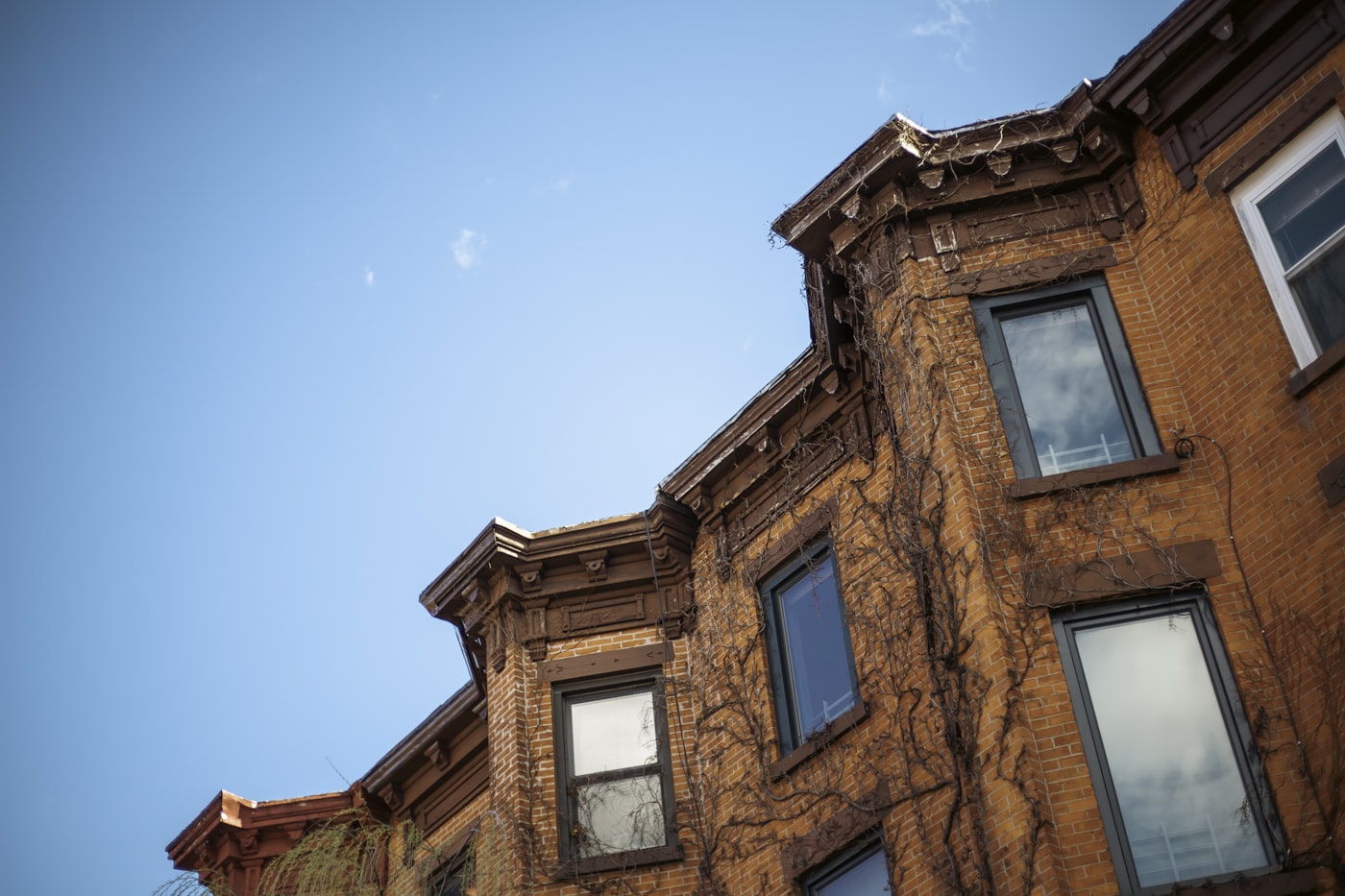
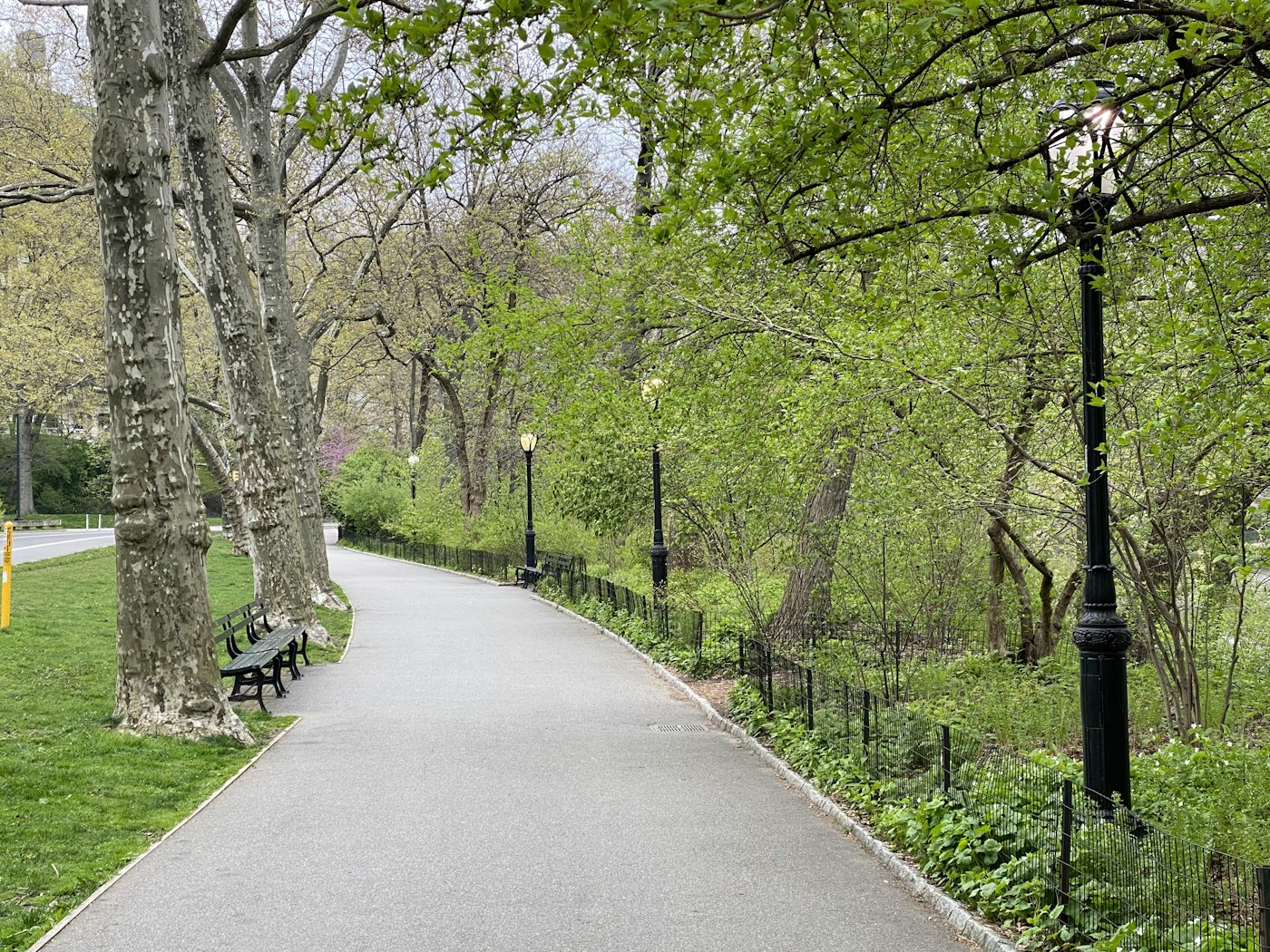
To an outsider, the Upper West Side and the Upper East Side can look like the same movie with the props swapped — brownstones, Central Park on one flank, strollers engineered like Mars rovers, and a private school seemingly every third block. But ask any parent who's toured both, and they'll tell you the two neighborhoods have distinct personalities, especially when it comes to schools. The interesting part is that the difference isn't just vibe and folklore — the two really are built differently.
Having spent a lot of time looking at schools across both neighborhoods, a few clear contrasts stand out — the kind that can genuinely help you decide where to point your search. Here's what actually separates the two.
The short version: The Upper East Side is the heartland of single-sex schools and traditional, academically-minded independents. The Upper West Side skews coed and progressive, with more play-based and Montessori options. Both have superb preschools, established K–12 independents charging in the same range, and free public schools. The right neighborhood is mostly about where you live and what fits your child — not which one "wins."
The single biggest difference: single-sex vs. coed
If there's one structural fact that separates the two neighborhoods, it's this. Nearly all of the city's classic single-sex schools sit on the Upper East Side — girls' schools like Chapin, Spence, Brearley, Nightingale-Bamford, Marymount, Convent of the Sacred Heart, and Hewitt, and boys' schools like Allen-Stevenson, Buckley, Browning, St. Bernard's, and Saint David's. This isn't an accident; it reflects the East Side's century-old tradition of single-sex education.
The Upper West Side, by contrast, is overwhelmingly coed. Its most storied single-sex exception is Collegiate, the all-boys school that happens to be one of the oldest in the country. So if single-sex education is something you specifically want — or specifically don't — this single factor may sort your neighborhoods for you before anything else does.
The Upper East Side: tradition, pedigree, and a fuller spread
Beyond single-sex, the East Side reads as the more classically "establishment" of the two. It has a notably strong presence of traditional, academically-oriented independents — the structured, name-you-already-know institutions — alongside plenty of progressive options. It also tends toward wider religious range, with Catholic, Jewish, and Protestant-affiliated schools all represented, a nod to its many parish and legacy institutions.
This is the neighborhood of the schools whose names outsiders already know — the ones with long histories, formal cultures, and, often, a straight line from kindergarten to twelfth grade. If you're drawn to a more structured, academically rigorous environment, or to a specific single-sex or religious tradition, the East Side gives you the most to choose from.
The Upper West Side: progressive, coed, and philosophy-forward
The West Side's character is different. Its independent schools skew progressive and play-based, and Montessori and developmental approaches feel more at home here. Culturally it's associated with a somewhat more relaxed, less buttoned-up register — though "relaxed" here still means fiercely sought-after schools with real admissions processes, so calibrate expectations accordingly.
It's also home to a cluster of well-known progressive and mission-driven independents and a strong bench of Jewish-affiliated schools. For a family that wants a play-based or developmental-interaction philosophy, a coed environment, and a neighborhood feel that leans a touch more casual, the West Side is the more natural fit — and you won't be short on excellent options.
Where the two neighborhoods look alike
For all the contrast, it's worth saying plainly: neither neighborhood has a monopoly on quality, and they overlap more than the rivalry suggests.
Tuition is one place they converge. At the established K-and-up independents, top-line tuition lands in the same neighborhood on both sides — roughly the high-$60,000s into the low-$70,000s a year — with preschool-only programs generally lower. Both neighborhoods also offer free public schools alongside the independents, so "Upper East Side" and "Upper West Side" are not synonyms for "private only." And both are genuinely rich in preschools, so if you're starting at the 2s or 3s, you'll find strong programs either way.
The competition is comparable too. These are two of the most sought-after school markets in the country; the process is serious on both sides of the park, and neither neighborhood is a shortcut.
So how do you actually choose?
For an early-childhood-aged kid, let a few practical things outrank the reputational stuff:
Start with your commute. A four-year-old's tolerance for crosstown travel is not infinite, and neither is yours. Where you live, and how a school fits into your morning, matters more day to day than any neighborhood's cachet. For many families, geography quietly makes the decision.
Then let structure sort you. Do you want single-sex or coed? A particular philosophy — Montessori, progressive, traditional? A religious affiliation, or none? Each of those questions maps cleanly onto the differences above and will narrow your list fast.
Then compare the actual schools. Neighborhood tendencies are real but they're averages; there are rigorous academic schools on the West Side and lovely progressive ones on the East Side. The tendencies tell you where to look first, not where to stop.
Compare both sides of the park
This is exactly the kind of sorting The Foyer is built for. You can filter schools by neighborhood — Upper West Side, Upper East Side, or both — and then layer on the things that actually decide it for your family: coed or single-sex, philosophy, religious affiliation, tuition band, and more. It's a lot easier to see the real difference between the two neighborhoods when their schools are lined up next to each other.
Ready to explore? Compare Upper West Side and Upper East Side schools on The Foyer.